1.5 dCi K9K
The most-produced small diesel in Europe, shared across Renault, Nissan and Dacia. It's absurdly economical and cheap to fix, and injector wear is the fault that defines it, with a leaking injector able to wash a bore.
Overview
The 1.5 dCi is the K9K diesel version of the Renault Mégane hatchback (III), sold 2008–2016 with 110 PS and manual or automatic. Demands diligence at level 3. Injector wear is the defining fault, and a leaking injector can wash a bore. The interior electronics are the other recurring cost. 5 failure modes are recorded against its engine, gearbox, chassis and shared components. Prices on this page are illustrative placeholders rather than a sourced market sample. See the methodology for how the bands are derived.
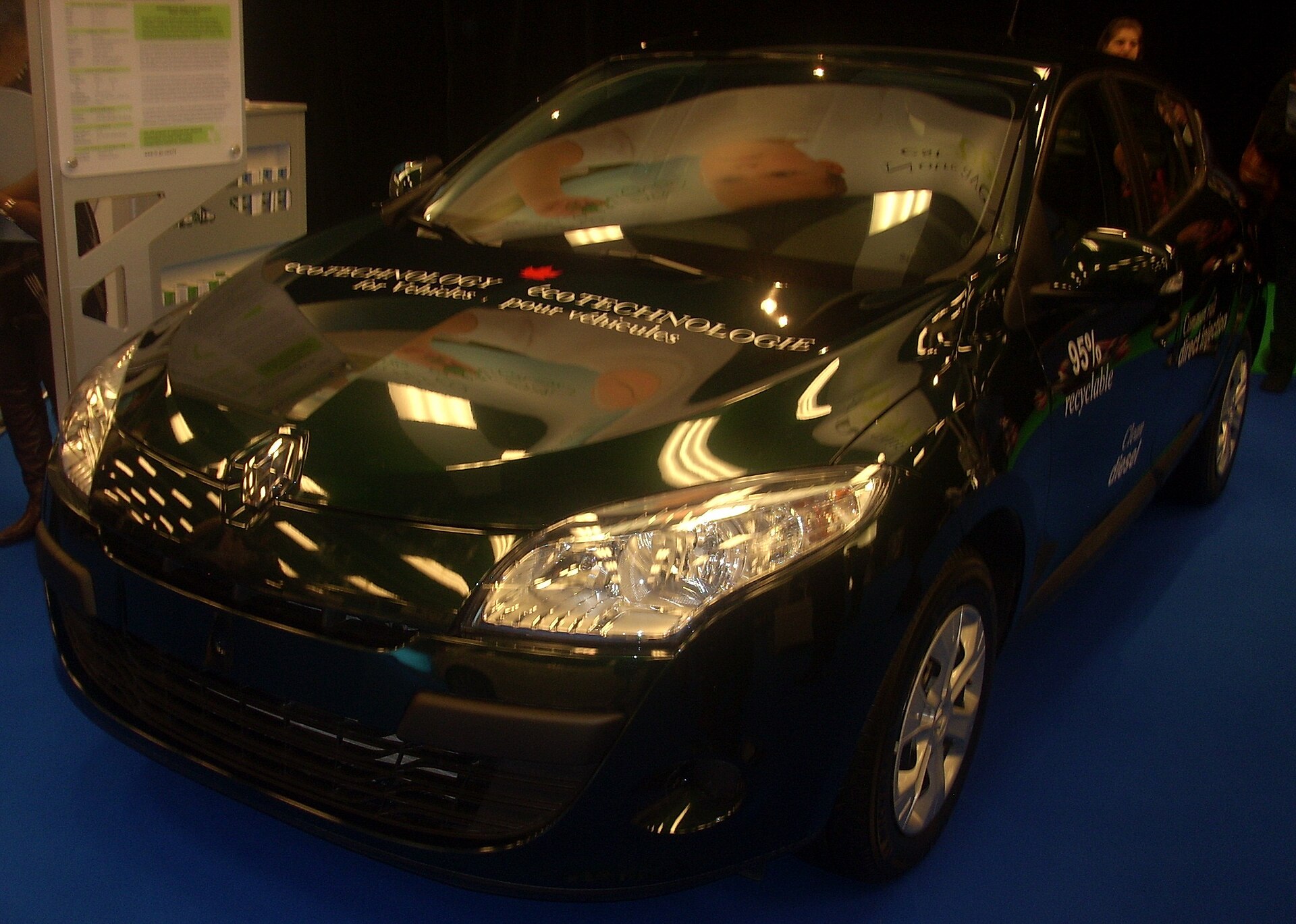
Renault Mégane hatchback (III) · photo Renault Megane 5-Door (MIAS '10) by Bull-Doser · Public domain · Wikimedia Commons
Ranked by probability × repair cost. 5 recorded in total.
- DPF clogging and forced regeneration
- Injector wear and bore washing
- DQ250 wet-clutch DSG mechatronic and service neglect
Risk level −22 · Likely spend vs price −26 · all issues →
Pre-facelift or facelift, this engine spans both
The same badge either side of the changeover. Bands are split at the facelift year from the generation record.
| Phase | Years | Low | Average | High | Good buy | What differs |
|---|---|---|---|---|---|---|
| pre Pre-facelift | 2008–2013 | €800 | €1,400 | €2,400 | €1,100 | The specification the car launched with. |
| LCI Facelift (LCI) | 2014–2016 | €850 | €1,550 | €2,600 | €1,200 | New nose and lights; Revised engines and infotainment |
Known issues, ranked by expected cost
Faults recorded against this engine, its components and its chassis, ranked by likelihood × repair cost. Costs are indicative ranges with a stated labour basis.
Ranked by probability × repair cost, not by how loudly a failure is discussed. Inherited from the engine, gearbox, chassis and shared components, each written once.
Pre-purchase inspection
The same issue records, reordered into the sequence you can actually check them in: cold start, static, drive, paperwork.
1Cold startYou get one. If the engine is warm when you arrive, come back another day.
2On the driveInclude low-speed manoeuvring, not just an open road.
3PaperworkOn these cars the folder is most of the value.
4OBD scanMandatory. A seller who refuses a scan has answered the question.
Mileage and servicing
What the odometer does and doesn't tell you here, plus the service items whose neglect causes the expensive failures above.
Read the injector correction values on a scan and test every electrical function, since those are where the faults are.
| Service item | Interval | Cost |
|---|---|---|
| Injectors The defining fault, and it can damage a bore | scan the correction values | €400–1,200 |
| Key card and electronics Where the faults concentrate on this car | test every function | €150–600 |
| Engine oil Injector and turbo life follow oil quality | on time, correct spec | €80–120 |
What to pay
What this engine sells for, against the median of every engine in the chassis. All figures are illustrative placeholders. See the basis chips.
Enter an asking price to get a verdict against this variant's band: cheap, fair, good buy or overpriced.
United States vs Europe
1 EUR = 1.08 USD ·US figures are the EU band converted at a stated rate. No US market differential is modelled: we hold no sourced US asking prices, and inventing one would be worse than saying so. What the comparison does show for real is availability. Most of this range was never sold in the US.
- ModelRenault Mégane 1.5 dCi
- ChassisIII
- EngineK9K
- Years2008–2016
- MarketCentral EU
- Windowrolling 12 months to 2026-07
Good buy isn't the same as cheapest. The good-buy figure assumes the known failure items are either done with receipts or verifiably not yet due. Full breakdown by facelift phase →
Buyer notes
Our judgement, kept separate from the records it's built on.
Everything above this line comes from the issue and specification records. This paragraph is our judgement on top of them. See how we reach it.
Full specification
Manufacturer figures for this engine and body, as recorded in the variant and engine data.
| Engine code | K9K 1.5 dCi |
| Configuration | I4, turbocharged · 1461 cc |
| Fuel / injection | diesel · common rail |
| Model years | 2008–2016 |
| Facelift phase | Sold either side of the 2014 facelift, 2008–2013 pre, 2014–2016 LCI |
| Power / torque | 110 PS · 240 Nm |
| Transmissions | 6-speed manual · 6-speed wet-clutch DSG/S tronic |
| Gearbox families | VW group DQ250 six-speed wet-clutch DSG |
| Drivetrain | FWD |
| Economy (real-world) | 4.2–5.5 l/100 km mixed |
| Markets | EU |