Drill down
Make → model → chassis → engine. Four steps, and every step is a page worth reading on its own.
All makes0 further makes are listed and not yet researched. Coverage is deliberately deep before it is wide. Every step is a page in its own right: stop at the chassis for the engine matrix, or go all the way to one engine.
 BMW137 variants
 Audi54 variants
 Mercedes-Benz44 variants
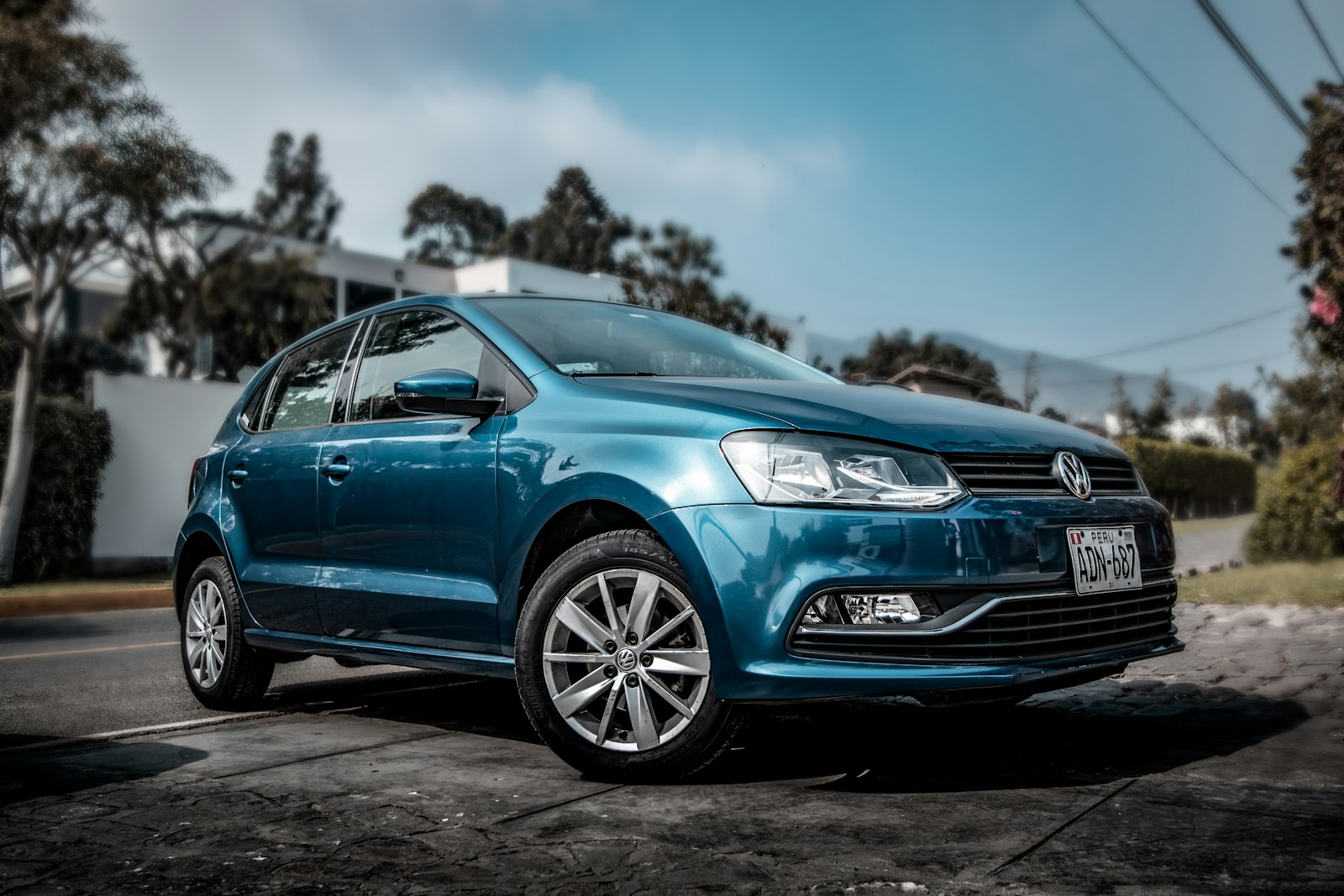
 Volkswagen38 variants
 Toyota14 variants
 Volvo8 variants
 Škoda34 variants
 Opel12 variants
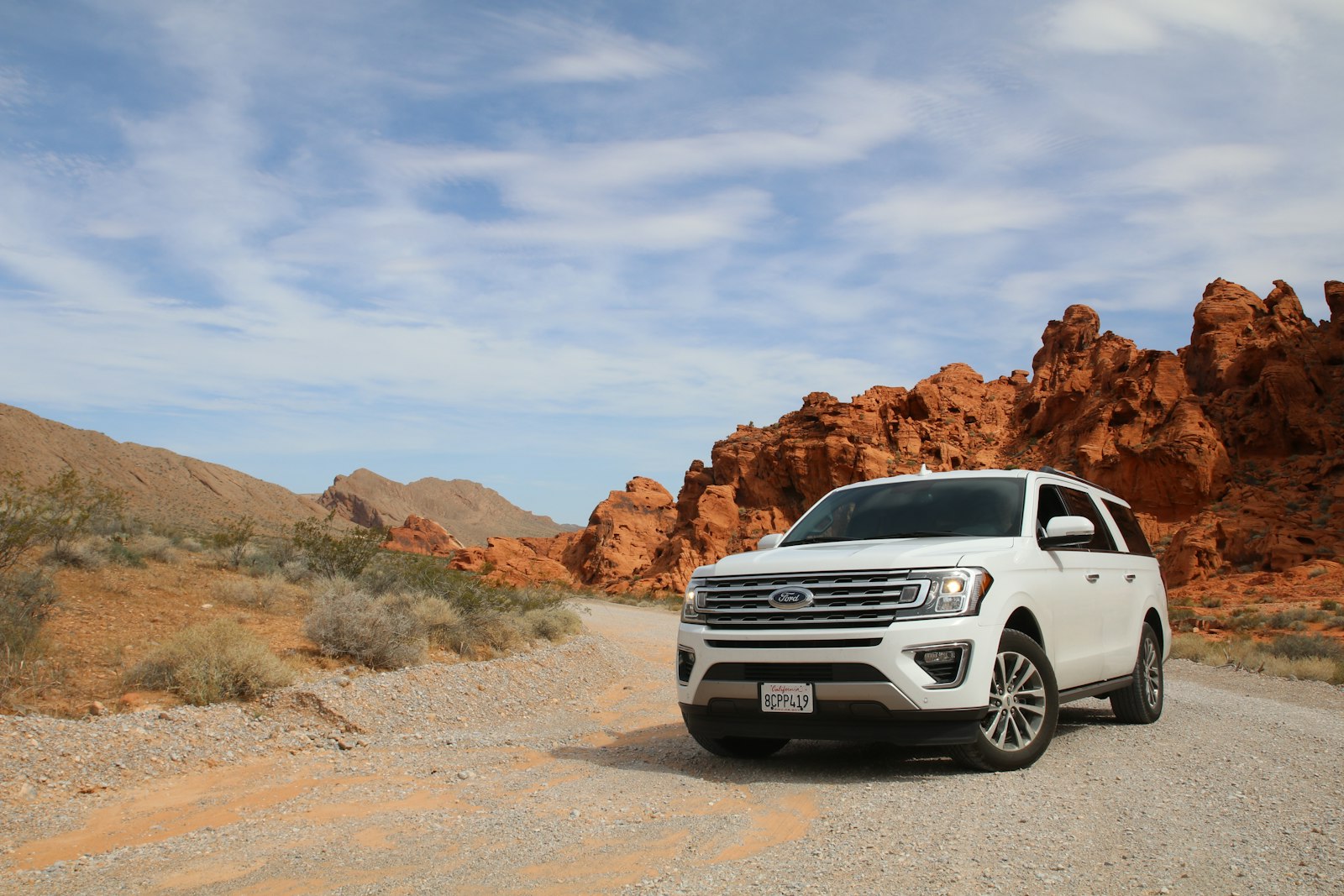
 Ford17 variants
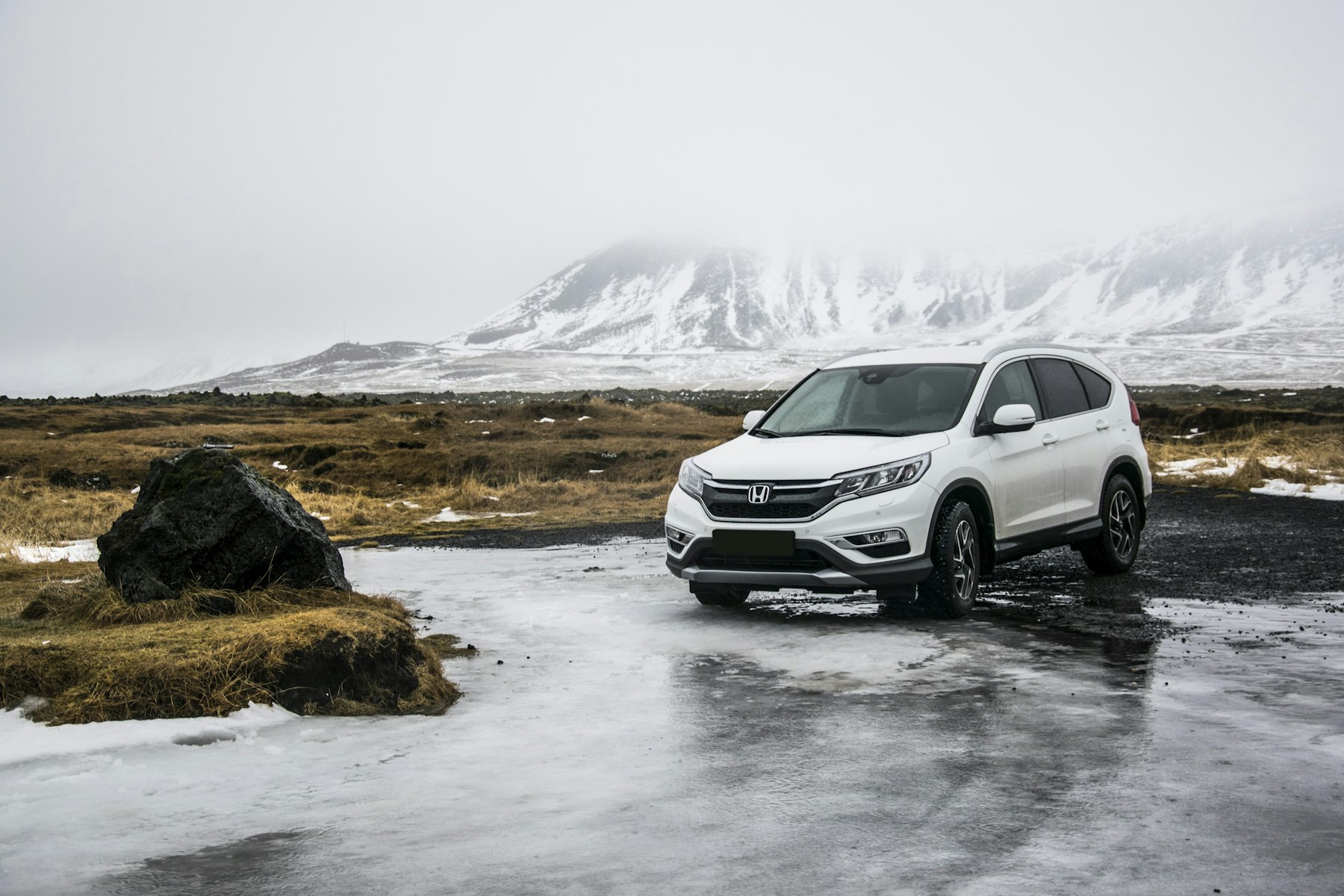
 Honda8 variants
 Mazda12 variants
 Lexus2 variants
 Peugeot9 variants
 Renault4 variants
 Nissan5 variants
 SEAT12 variants
 Subaru2 variants
 Porsche2 variants
 Land Rover2 variants
Make → model → chassis → engine. Four steps, and every step is a page worth reading on its own.
All makes162 records, each written once against the engine, gearbox, chassis or component that carries it, and listing every variant affected, with what it costs to put right and whether you can check for it before you buy.
The E9x 3 Series is the deepest part of the database: four bodies, 65 variants and every issue recorded against the engine, gearbox or chassis that actually carries it.
An issue is authored against the part that carries it: engine, gearbox, chassis or component, and every variant fitted with that part inherits it. No copy-paste, no drift between pages.
Every band says what it covers, which market and which window, and flags that the figures are illustrative placeholders rather than a sourced sample.
The same records, reordered into the sequence you can check them in: cold start, static, drive, paperwork, with the walk-away items marked.
A variant is one engine in one bodyshell over a specific run of years, so a 2009 E92 335i with the N54, not “a 3 Series”. It's the level at which cars stop behaving alike: two cars wearing the same badge in the same showroom year can have different engines, different timing-chain risk and a four-figure gap in what they cost to keep. Everything here is filed at that level.
Browse all 451 variantsThey're illustrative placeholders, not market data. Every band is generated from a documented model: a base figure per specification, adjusted for the bodyshell and for whether the car is a facelift, and is labelled as illustrative wherever it appears. Don't use them to value a car or to argue a price. The methodology page sets out exactly how they're derived and what would have to change to make them real.
How the bands are derivedThe specifications and the 162 recorded faults are researched and factual: what fails, roughly when, what it costs to put right, and whether you can detect it before you buy. Only the price figures are placeholders. Where a fault is disputed or depends on service history, the entry says so rather than presenting it as certain.
All 162 recorded faults31 makes, 113 bodyshells and 127 engines so far, the 2000s and early-2010s German cars most often cross-shopped second-hand. Coverage is deliberately narrow and deep. A car is only listed once its engines, faults and inspection points are written up. A further 30 makes are named but carry no data, and are shown as planned rather than dressed up with invented figures.
See what's coveredIt's the price worth paying for a car that passes the checks on its page. It sits below the market average rather than at it, because the average includes cars with the expensive faults still pending. And it stays conditional, because a car that fails a walk-away check on its list is a bad buy at any price. Four words are used throughout, and only these four: cheap, fair, good buy, overpriced.
Risk runs 1 to 5 and combines how likely the expensive failures are with what they cost, so a cheap-but-certain fault and a rare-but-ruinous one can land in the same place. It's never shown without the reason next to it. Running cost is scored separately, because a car can be reliable and still expensive to own.
European asking prices in euros, for cars advertised rather than sold. Asking prices sit above transaction prices, so treat every band as the top of the range. Repair costs assume independent-specialist labour, not franchised-dealer rates. You can switch the region shown on the pricing sections.
No. There are no listings, no dealer feeds, no affiliate links and no advertising. Nothing here changes depending on who's selling the car, which is the whole point of writing it this way.
Get in touchAsk. The limit is research time, not interest, and requests are the main thing that decides what gets written up next. Say which engine and which years, since that's the level the entry has to be written at.
Request a car