1.4 TSI CAXA

Turbocharged 1.4 from the EA111 family. Willing and economical on paper, with a timing chain and tensioner that are the known weak point.

Overview

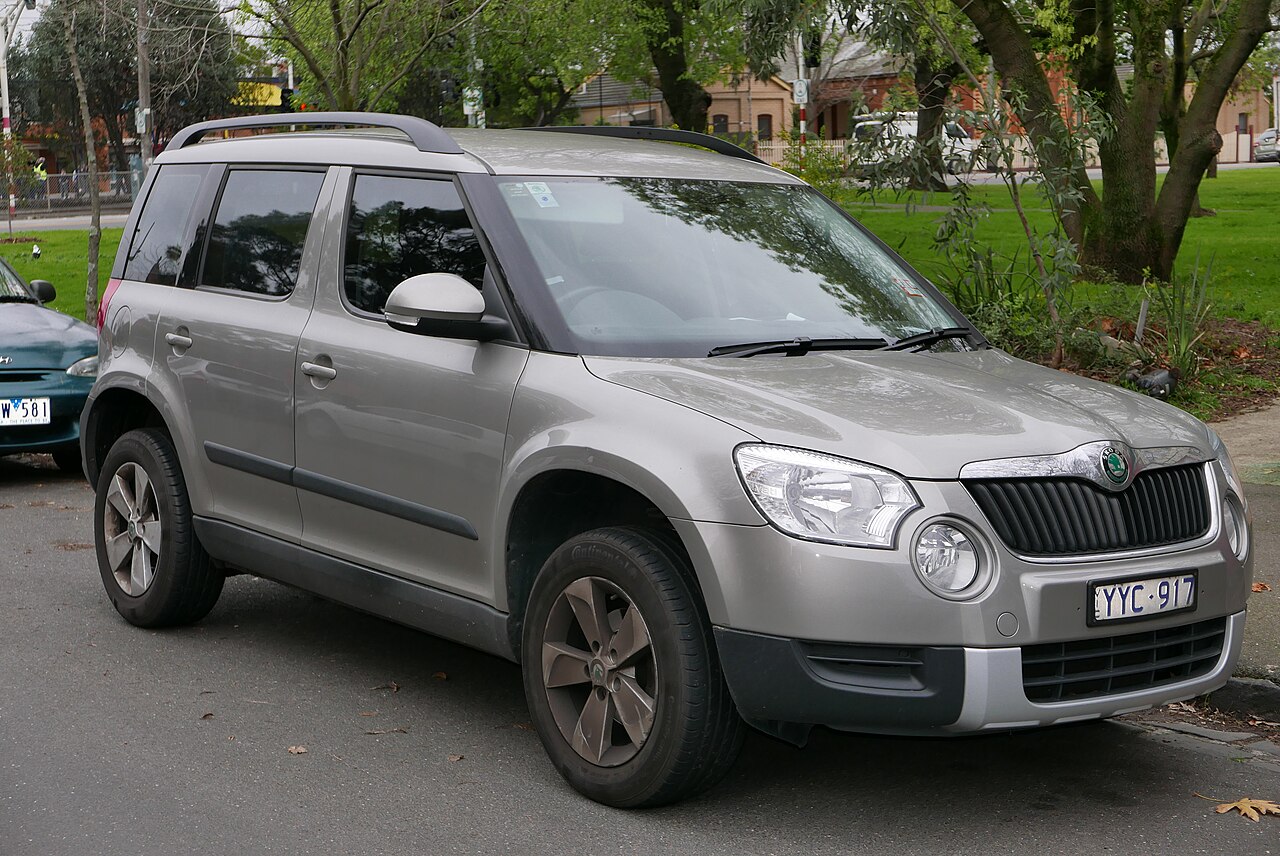
The 1.4 TSI is the CAXA petrol version of the Škoda Yeti SUV (5L), sold 2009–2017 with 122 PS and manual or automatic. High risk at level 4. The chain tensioner on this engine family fails without warning and destroys the engine. 6 failure modes are recorded against its engine, gearbox, chassis and shared components, 2 of which are walk-away items without documented proof. Prices on this page are illustrative placeholders rather than a sourced market sample. See the methodology for how the bands are derived.
Power122 PS
Torque200 Nm
Years2009–2017
Fuelpetrol
DriveFWD
EnginesCAXA
Biggest risks

Ranked by probability × repair cost. 6 recorded in total.

17High risk
  1. Timing chain tensioner failure€900€1,800checkablewalk away
  2. Timing chain and tensioner wear (1.4 TSI)€700€1,600checkablewalk away
  3. Dry-clutch DSG mechatronic failure€1,200€2,800checkable

Risk level −33 · Walk-away failures −24 · Likely spend vs price −26 · all issues →

System by system9 systems reviewed · 5 with no recurring fault reported
Fuel system✓ clearNo recurring fault reported for this system on this engine.
Cooling✓ clearNo recurring fault reported for this system on this engine.
Emissions✓ clearNo recurring fault reported for this system on this engine.
Transmission⚠ attentionDry-clutch DSG mechatronic failure, €1,200–€2,800.+1 more in this system
Electrics✓ clearNo recurring fault reported for this system on this engine.
Suspension & brakes✓ clearNo recurring fault reported for this system on this engine.

Pre-facelift or facelift, this engine spans both

The same badge either side of the changeover. Bands are split at the facelift year from the generation record.

PhaseYearsLowAverageHighGood buyWhat differs
pre Pre-facelift2009–2012€5,000€8,000€12,500€6,500The specification the car launched with.
LCI Facelift (LCI)2013–2017€5,450€8,700€13,650€7,100New nose and lights; Split into Yeti and Yeti Outdoor trims; Revised interior

Known issues, ranked by expected cost

Faults recorded against this engine, its components and its chassis, ranked by likelihood × repair cost. Costs are indicative ranges with a stated labour basis.

Timing chain tensioner failureEA888 chain tensioner€900–€1,800
Rattle for a second or two on cold start, chain noise from the back of the engine, timing correlation faults, or no start after the car has stood. The early hydraulic tensioner can lose tension and allow the chain to jump. The chain is at the gearbox end of the engine, so access is poor and a failure usually bends valves.
Check: Insist on a stone-cold start and stand at the bulkhead end of the engine. Any rattle beyond the first half-second is this until proven otherwise. Ask for a tensioner receipt with the part number. The revised part is the fix, not the mileage.
Later parts: Revised tensioner part number; fitted from later production
EnginecommonDetectable at viewingwalk away without proofevidence: documented60180k km
Timing chain and tensioner wear (1.4 TSI)CAXA 1.4 TSI€700–€1,600
Rattle on start-up, chain noise that grows, timing correlation codes, and in the worst case a jumped chain and bent valves. The EA111 1.4 TSI uses a short chain with a tensioner that can lose tension and allow the chain to skip. VW revised the tensioner.
Check: Cold start and listen at the timing end. Any rattle beyond the first moment is this. Ask for a tensioner receipt with the revised part number.
Later parts: Revised tensioner part number on later production
EnginecommonDetectable at viewingwalk away without proofevidence: documented60150k km
Dry-clutch DSG mechatronic failureVW group DQ200 seven-speed dry-clutch DSG€1,200–€2,800
Juddering at low speed, harsh or refused engagement, warning lights, or a car that won't select a gear. The seven-speed dry-clutch unit's mechatronic and clutch packs wear, and the clutches are far less tolerant of stop-start use than the wet-clutch six-speed.
Check: Drive from cold in traffic. Judder pulling away, hesitation between first and second, or a jolt on the overrun are all this. Ask for the service history. These need fluid and clutch adaptation work.
TransmissioncommonDetectable at viewingevidence: documented80180k km
Carbon buildup on intake valvesdirect injection€400–€700
Rough cold idle, slow throttle response, misfires, gradual loss of low-end response. Direct injection puts no fuel over the intake valves, so crankcase vapour deposits bake on undisturbed.
Check: Not visible without a borescope. Treat it as a service item that's due unless there's a receipt. It's not a fault, it's an unbudgeted maintenance cost.
Turbo & intakeuniversalNot detectable at viewingevidence: documented80120k km
Haldex coupling wear and pump failureYeti platform€150–€1,400
Four-wheel drive that no longer engages, a warning light, or a shudder on full lock in a tight turn. The coupling depends on clean oil and a working pump filter, and the service is short, cheap and widely skipped. Debris then blocks the filter, the pump loses pressure and the clutch pack suffers.
Check: Ask when the Haldex oil and filter were last changed and get the date in writing. On the drive, turn the car slowly on full lock in both directions and feel for binding or shudder.
DrivetraincommonPartly detectableevidence: documented80160k km
Panoramic roof drains and boot waterYeti platform€100–€700
Water dripping into the cabin near the A-pillars, a damp headlining, or standing water under the boot floor. The panoramic roof drains its channels through tubes in the pillars, and those block with debris. The tailgate and light seals leak separately, which is why water shows up in the boot even on cars without the roof.
Check: Lift the boot floor and check the spare wheel well for water, then look at the headlining around the A-pillars for staining. If you can, pour a little water into the roof channels and watch it drain at the sills.
Body & corrosioncommonDetectable at viewingevidence: documented70170k km

Ranked by probability × repair cost, not by how loudly a failure is discussed. Inherited from the engine, gearbox, chassis and shared components, each written once.

Pre-purchase inspection

The same issue records, reordered into the sequence you can actually check them in: cold start, static, drive, paperwork.

6 checks · saved in this browser ·

1Cold startYou get one. If the engine is warm when you arrive, come back another day.

2Static checksEngine off, ideally on a lift.

3On the driveInclude low-speed manoeuvring, not just an open road.

4PaperworkOn these cars the folder is most of the value.

Mileage and servicing

What the odometer does and doesn't tell you here, plus the service items whose neglect causes the expensive failures above.

The tensioner fitted decides the risk rather than the mileage. A later car or a documented update is what you're looking for here.

Service itemIntervalCost
Timing chain tensioner
Original tensioners fail and take the engine with them.
updated part, or on symptoms€700–1,400
Engine oil and filter
Chain wear accelerates on tired oil.
15,000 km or annually€90–140

What to pay

What this engine sells for, against the median of every engine in the chassis. All figures are illustrative placeholders. See the basis chips.

Enter an asking price to get a verdict against this variant's band: cheap, fair, good buy or overpriced.

United States vs Europe

1 EUR = 1.08 USD ·
🇪🇺 Europe · EUR€6,500band €5,000€13,650
🇺🇸 United StatesNot sold1.4 TSI CAXA was never a US-market car
What that meansNo US band exists to compare. Any car you find there's a private import, parts and specialist knowledge are thinner, and the price says more about import cost than about the market.

US figures are the EU band converted at a stated rate. No US market differential is modelled: we hold no sourced US asking prices, and inventing one would be worse than saying so. What the comparison does show for real is availability. Most of this range was never sold in the US.

  • ModelŠkoda Yeti 1.4 TSI
  • Chassis5L
  • EngineCAXA
  • Years2009–2017
  • MarketCentral EU
  • Windowrolling 12 months to 2026-07
€5k€10k5L median, all 2 engines €8,800Pre-faceliftPre-facelift: low €5,000, good buy €6,500, average €8,000, high €12,500€8,000€5,000€12,500€6,500Facelift (LCI)Facelift (LCI): low €5,450, good buy €7,100, average €8,700, high €13,650€8,700€5,450€13,650€7,100
Good buy at or under the marker · Median asking price · bar spans the 10th to 90th percentile · dashed line is the 5l median, all 2 engines

Good buy isn't the same as cheapest. Any car without documentation for timing chain tensioner failure and timing chain and tensioner wear (1.4 tsi) should be priced as if the repair is still owed. Full breakdown by facelift phase →

Buyer notes

Our judgement, kept separate from the records it's built on.

Our read, not a record
In a light body the 1.4 TSI feels willing enough and it costs less to buy than the diesel, which is its argument. Against it is the tensioner, and a jumped chain in this family means a replacement engine. Start it cold, listen carefully, and ask for receipts rather than reassurance. So take the diesel if the choice is between an early petrol with no history and a documented 2.0 TDI.

Everything above this line comes from the issue and specification records. This paragraph is our judgement on top of them. See how we reach it.

Full specification

Manufacturer figures for this engine and body, as recorded in the variant and engine data.

Engine codeCAXA 1.4 TSI
ConfigurationI4, turbocharged · 1390 cc
Fuel / injectionpetrol · direct
Model years2009–2017
Facelift phaseSold either side of the 2013 facelift, 2009–2012 pre, 2013–2017 LCI
Power / torque122 PS · 200 Nm
Transmissions6-speed manual · 7-speed dry-clutch DSG/S tronic
Gearbox familiesVW group DQ200 seven-speed dry-clutch DSG
DrivetrainFWD
Economy (real-world)7.5–9 l/100 km mixed
MarketsEU